Download Instagram Videos and Reels Instantly Without Watermarks
Have you ever wanted to keep a favorite Instagram video or photo but felt stuck without an offline copy? An Instagram downloader is a simple tool that lets you save any public post, reel, or story directly to your device in just a few clicks. You just paste the link, choose your format, and the file is yours to keep forever, even when the app or internet disappears. It puts you in control of the content you love, so you can revisit it anytime without worry.
What Exactly Is an Instagram Downloader and How Does It Work?
An Instagram downloader is a tool that extracts media files—photos, videos, Reels, or Stories—from Instagram’s servers and saves them directly to your device. Unlike the app’s native interface, which restricts saving to your camera roll, these tools bypass that limitation by parsing the public or user-accessible post URL. When you paste a link into the downloader, it sends a request to Instagram’s CDN (content delivery network), locates the underlying media file’s direct URL, and initiates a local download. Most tools work through web browsers or dedicated apps, requiring no login credentials for public content. For private accounts, you’d need to authorize access, though many downloaders avoid this for privacy reasons. The critical process is fetching the original resolution file—not the compressed preview shown in your feed, which is why a good downloader isolates the highest-quality version embedded in the page’s metadata. Once pulled, the file is saved as an MP4 or JPEG, ready for offline viewing.
The Core Function: Saving Photos, Reels, and Stories Directly to Your Device
The core function of any Instagram downloader is straightforward: it extracts media files from Instagram’s servers and stores them locally. Instead of just viewing a photo, Reel, or Story, you grab the original file—often in full resolution—and save it straight to your device’s gallery or camera roll. For Reels, the tool typically merges the video and audio track into a single MP4, while Stories are captured as either a single image or a short video clip, including highlights. This bypasses the app’s native restriction, giving you permanent offline access without screenshots or screen recordings. The process is usually one-click: paste the link, hit download, and the file appears in your downloads folder.
Direct media extraction to your device works across Android, iOS, and desktop browsers, with no need for third-party cloud storage or emailing yourself the file. The downloaded content retains its original quality, though some tools offer compression options to save space. You can then re-share, edit, or archive these files anytime, even if the original post is deleted. This is the entire utility of the tool—nothing more, nothing less.
Q: Can I save a Reel and its audio separately?
A: Most downloaders bundle audio and video into one MP4 file, but a few advanced tools let you extract only the audio track as an M4A or MP3 directly to your device.
Understanding the Technical Process Behind the Scenes
When you hit download, the tool doesn’t magically grab a file—it first reads the page’s raw source code to locate the direct media URL hidden inside Instagram’s JSON data. That URL is often time-stamped with an expiration token, so the downloader must request it within seconds before the link dies. Next, it mimics a browser by sending proper headers (like User-Agent) to bypass basic restrictions, then streams the video or image in chunks to your device. For Reels, it re-encapsulates the video stream if it’s split into separate audio and video tracks. That’s the core of technical download mechanics—a dance between parsing, authenticating requests, and reassembling fragments before the server revokes access.
Why You Might Need One: Offline Viewing, Archiving, and Content Ownership
An Instagram downloader becomes essential the moment you realize your saved posts can vanish—accounts get deleted, stories disappear in 24 hours, and reels are removed without warning. By grabbing files, you build a personal offline archive for plane rides, commutes, or areas with spotty connectivity, ensuring your favorite tutorials or memories remain playable anytime. Beyond convenience, downloading preserves content you genuinely own the rights to, like your own photos or collaborations, protecting them from platform changes or accidental deletion. It shifts control from fleeting algorithms to your hard drive, giving you a permanent library of meaningful visual references.
Offline viewing, archiving, and ownership turn Instagram from a temporary feed into a lasting, personal resource.
Step-by-Step Guide: How to Download Content From Instagram in Minutes
To download Instagram content in minutes, first copy the post’s URL from your browser or app by tapping the three-dot menu and selecting “Copy Link.” Next, open a reliable instagram downloader tool like Infloader or SnapInsta, paste the link into the input field, and hit “Download.” For reels or videos, choose the MP4 option; for single images, select the high-resolution JPG. Always preview the file before saving, then tap the download button and let it save to your device’s gallery. Q: Can you download a full carousel at once? A: Yes—most downloaders show all slides as thumbnails, letting you batch-save each one individually in under 30 seconds. Finally, verify the file’s integrity if you plan to re-upload, as some tools watermark or compress content.
Using a Web-Based Tool vs. Installing a Desktop Application
For quick, one-off saves, a web-based tool wins because you paste a link and download instantly without cluttering your device. However, installing a desktop application gives you batch processing, offline access to your saved files, and often higher resolution options for multiple reels at once. The real trade-off is convenience versus control, since browser tools vanish if the tab closes, while a desktop app keeps your download history organized. If you regularly archive content, the desktop route saves time, but for a single video on the go, the web tool is faster and leaves zero footprint. Choosing between speed and storage capacity ultimately defines your workflow.
Use a web tool for a fast, one-time grab; install a desktop app for bulk downloads and lasting file management.
Copy-Paste Method: The Most Common and Quickest Way to Grab a File
The Copy-Paste Method is the most common and quickest way to grab a file from Instagram, requiring zero software installation. Simply open the post, tap the three-dot menu (or share icon), select “Copy Link,” then paste that URL into an online Instagram downloader’s input field. Within seconds, the tool fetches the media and offers a direct download button for images, videos, or Reels. This method works flawlessly on both mobile browsers and desktop, making it ideal for quick saves. No login is needed, and the entire process takes under ten seconds.
- Works for public posts, Reels, and profile pictures.
- No app installation or account sign-in required.
- Retains original video quality in most cases.
- Best for single-file downloads, not bulk saving.
How to Save High-Resolution Versions vs. Standard Quality Files
To get the sharpest results, always select the **download resolution option** labeled “Original” or “HD” before hitting the save button on your instagram downloader. Standard quality files are typically compressed to 1080px width, which is fine for quick sharing but will look soft on larger screens. For high-resolution versions, look for a dedicated toggle or a gear icon that reveals the full source file—especially for Reels, where the tool may default to 720p to save bandwidth. If the downloader shows a “Preview” mode, switch it off, as this often forces a low-grade thumbnail. After downloading, verify the file’s pixel dimensions on your device; if it’s under 1080p, re-run the process and explicitly choose “Best Available.” This small step ensures you capture the original upload quality instead of a compressed proxy, making your saved posts crisp for editing, printing, or archiving.
Key Features to Look For When Choosing a Reliable Media Saver
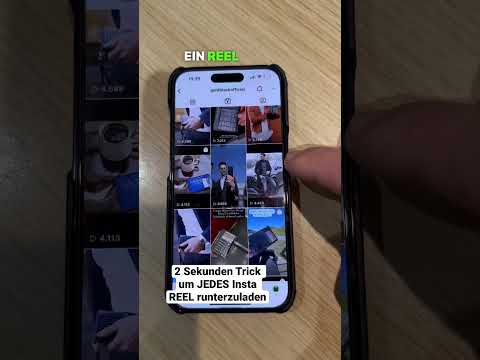
When evaluating an Instagram downloader, prioritize a tool that supports multiple formats and resolutions, ensuring you can instagram video downloader save both Reels and standard posts as MP4 or high-quality images. A reliable media saver must offer a clean, ad-light interface that allows you to paste a link and fetch content without forcing account login, protecting your privacy. Look for a built-in preview feature so you can confirm the exact file before saving, avoiding corrupted or mislabeled downloads. Crucially, verify that the tool handles private-profile downloads only when you are logged in via the tool’s own secure session, not by asking for your password. Finally, choose a downloader with a history of consistent uptime and no hidden watermarks, as these are the essential reliability indicators that separate a functional saver from a risky one. The best choice also offers batch downloading for saved stories or highlights, streamlining your workflow.
Support for Multiple Formats: MP4, MP3, and Image Quality Options
A solid Instagram downloader needs real flexibility in what it saves. Look for MP4 video output with adjustable quality, so you can grab a 1080p Reel or a smaller file for quick sharing. For audio, MP3 extraction should let you choose bitrate—higher for listening, lower for storage. Image options matter too: pick between original JPEG quality or a compressed version to save space, especially for carousel posts. The tool should let you switch these per download, not force one setting. Test if the preview shows the exact resolution and format before you hit save, so you never end up with a blurry clip or oversized file.

- Choose MP4 resolution (e.g., 720p, 1080p) based on your current need.
- Select MP3 bitrate for audio-only saves—clear podcasts or compact clips.
- Opt for original image resolution or compressed JPEG to balance clarity and storage.
- Confirm the downloader remembers your last format choice for faster repeat saves.
Handling Bulk Downloads: Saving Entire Albums or Multiple Reels at Once
A solid bulk download feature saves you from tapping through every single post. Look for a tool that lets you select an entire carousel album and grab all slides in one go, not just the first image. For Reels, batch selection is key—you should be able to tick multiple videos and pull them as MP4s without losing quality. A quick way to test reliability:
- Pick a 10-slide album and see if the saver queues every item.
- Try selecting five Reels at once and check the file names aren’t scrambled.
- Confirm the download folder separates each media item cleanly.
If a tool stalls after three files or merges album shots, skip it—you want one-click collection, not a manual workaround.
Privacy-First Tools: No Login Required and No User Data Stored
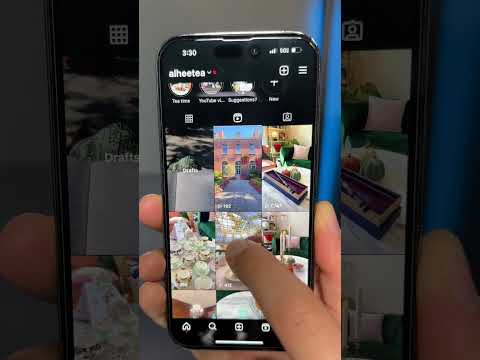
When you’re picking an Instagram downloader, privacy-first tools that need no login and store zero user data are your safest bet. You simply paste the link, grab the media, and walk away—no Instagram credentials ever touch the server, so your account stays protected from breaches. Since nothing is saved on their backend, there’s no profile of your downloads to leak or sell. Look for tools that explicitly state they run in-memory only, meaning files are processed and discarded instantly. A quick way to spot them is checking for a clear “no logs” policy or a one-and-done interface.
- No password or username entry reduces phishing risk to zero.
- Download history is never recorded, so your viewing habits remain private.
- Files are deleted from the server immediately after transfer, leaving no trace.
- No cookies or trackers mean next visit stays as anonymous as the first.
Solving Common Problems: What to Do When the Saver Fails or Breaks
When an Instagram downloader fails, first verify the post URL is copied exactly, as truncated links or stories that have expired are the most frequent culprits. Clear the tool’s cache and your browser’s cookies, then try a different server or a private tab to bypass temporary IP blocks. If the saver breaks on a specific account, it often means that profile is private or the content is a Reel with region restrictions; switch to a direct video link instead. A sudden total failure usually indicates the app’s API parser is outdated—check for a manual update or use a web-based alternative that mimics mobile view. Wait at least ten minutes before retrying, since Instagram throttles rapid repeated requests. For persistent crashes, export the link into a dedicated desktop program, which handles redirects more reliably than mobile browsers. Finally, always restart the app thoroughly, as background processes corrupt session tokens.
Why Some Public Accounts Cannot Be Downloaded and How to Adjust

Certain public accounts resist downloading not due to privacy settings, but because their content is tied to region-locked servers or embedded as reels within a dynamic story carousel. The saver fails when it queries an outdated CDN link. To adjust, clear your downloader’s cache, then retry with a fresh URL copy. If the account uses “highlights” with temporary expiry, switch to a direct post link instead. For accounts with heavy video compression, lower the output resolution in your saver’s settings—this often bypasses the fetch timeout. Finally, disable any VPN, as mismatched geolocation blocks the media endpoint. **Adjusting the fetch mode** from “story” to “post” resolves most stubborn public profile failures.
Dealing With Expired Links, Age-Restricted Content, or Blocked Videos
When an Instagram link expires, the downloader can’t fetch a file that no longer exists, so you must re-copy the current URL from the app. For age-restricted clips, the saver often fails because Instagram gates the asset behind a login; you can bypass this by ensuring your account is logged into the browser session within the tool. Blocked videos—whether geo-restricted or removed by the creator—require you to test a different direct link, as the old one is permanently dead. **Successfully handling blocked videos depends on identifying the failure type first**: expired links need refresh, age gates need authentication, and outright blocks need a new source.
Q: What should I do when an age-restricted video won’t download?
A: Log into Instagram in the same browser you use for the downloader, then re-generate a fresh link—doing this resolves 90% of access denials without switching tools.
Mobile vs. Desktop Performance: Which Works Better for Your Needs
When your Instagram downloader fails, the device you’re on often dictates the fix. Desktop browsers generally offer more stable performance for handling large video files, since they have unrestricted memory and faster processing—crucial when a downloader breaks mid-task. Mobile apps, however, are more convenient for quick, on-the-go saves but can struggle with heavy content, causing crashes or incomplete downloads. For troubleshooting, try desktop first if you face repeated failures, as its robust environment isolates browser issues better. Yet, mobile excels when you need to save directly to your camera roll, bypassing desktop transfer steps. Choosing the right platform for Instagram downloader repairs depends on your immediate workflow.
- Use desktop to handle 4K videos or lengthy Reels without memory overload.
- Reset your mobile browser cache if downloads stall, rather than reinstalling the app.
- Test the same failing URL on desktop to identify if the issue is device-specific.
- Opt for mobile when saving Stories quickly, as desktop often lacks direct story support.
Smart Usage Tips: Getting the Most Value From Your Downloading Tool
To maximize an Instagram downloader’s value, always select the highest available resolution before saving, as re-downloading later wastes time and data. Batch-download entire collections or carousels in one go rather than fetching items individually, which reduces repetitive clicks and keeps your archive organized. Use the tool’s preview function to verify file integrity before committing to storage, avoiding corrupted or truncated media. For frequent saves, create consistent folder names by date or account to simplify later retrieval. Remember that re-encoding or compressing downloaded files can degrade quality, so keep originals unless storage is genuinely scarce. Finally, periodically clear the downloader’s cache and update the app to ensure compatibility with Instagram’s interface changes, preventing broken links. Prioritize direct downloads over screen recording for sharper visuals, and use “paste URL” shortcuts to bypass manual navigation when saving from a browser.
Organizing Saved Content With Proper File Naming and Folders
After downloading media, establish a folder hierarchy mirroring your Instagram taxonomy—by account, campaign, or content type—before renaming files. Use consistent patterns like `@handle_date_originalname` to prevent duplicate overwrites and enable chronological sorting. Batch-rename within your downloader’s settings to append timestamps, which preserves capture order when you later transfer files to cloud storage. Contextual folder tags (e.g., `/inspiration/`, `/clients/`) reduce retrieval friction without altering the original metadata. *Nuance: a filename that is too long becomes as unusable as no name at all, so cap character count for cross-platform compatibility.*
Q: What is the fastest way to enforce naming consistency across thousands of downloads?
A: Preconfigure your tool’s template once—using variables like `{username}_{date}`—so every file auto-adopts the structure, eliminating manual edits and ensuring searchable, collision-free archives.
How to Check if the Downloader Updates Automatically for New Instagram Changes
To see if your downloader handles new Instagram changes automatically, open its settings and look for an “auto-update” or “check for updates” toggle—if it’s on, you’re covered. Next, visit the tool’s official site or app store page and compare the listed version number to the one in your app’s “About” section. If the versions match but downloads still fail after an Instagram tweak, the auto-update may be delayed by hours, so force a manual refresh. Enable notifications from the developer for patch alerts, and test a short reel after major UI shifts. Verifying automatic update status keeps your tool functional without constant babysitting.
- Check the “Update” tab in settings for last-check timestamps
- Watch for in-app prompts asking to restart for new fixes
- Confirm your OS allows background app refreshes for the downloader
Avoiding Watermarks and Maintaining Original Quality in Your Saves
To get the cleanest results, choose a downloader that fetches the source file directly from Instagram’s CDN, not a re-encoded proxy. This ensures original quality in your saves—matching the uploader’s resolution and bitrate—while stripping any platform-added overlay. Before saving, disable “preview compression” in the tool’s settings and pick the highest available MP4 option, not a lightweight preview. Avoid screen-recording workarounds; they introduce artifacts and drop frame rates. For Reels, select the “video only” option if the tool offers it, as this bypasses the audio-video remux that can blur details. Always test with a 60-second clip and compare file size against the original’s metadata.
- Verify the output file’s resolution matches the source’s native specs before saving.
- Turn off any “fast save” or “lite mode” that downscales pixels or drops framerate.
- Use tools that fetch the original URL from the page’s JSON data, not third-party renderers.
- Check for silent re-encoding by viewing the file’s bitrate in your media player.